A chart is only useful if it is the right chart. This module explains the nine basic Excel chart types, what question each one answers, and how to build and format each with the same sample data.
Which chart should I use?
Course curriculum
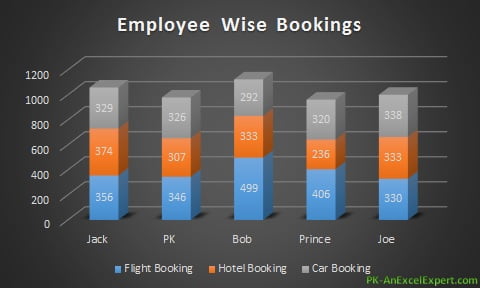
2. Stacked Column Chart
Show how each category breaks into parts while keeping the total visible.
Learn more →
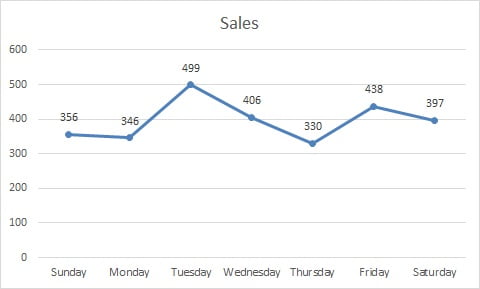
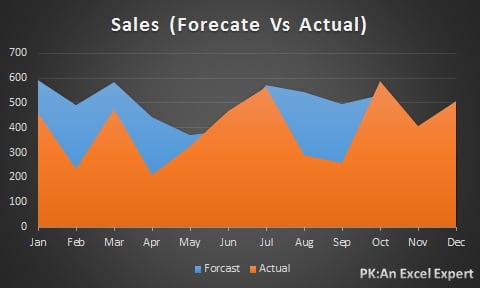
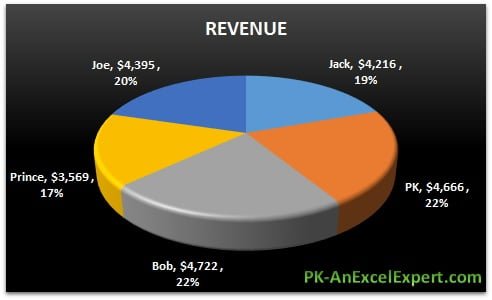
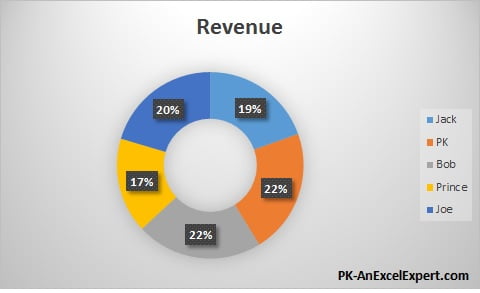
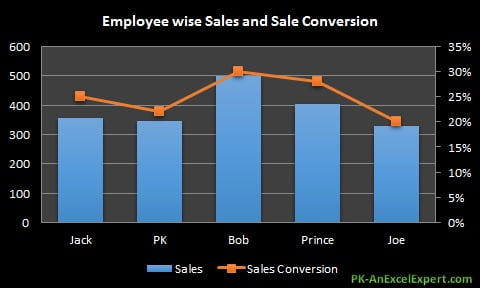
10. Chart Elements in Excel
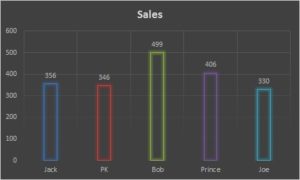
Learn every chart element in Excel: add or remove titles, axis titles, legend, data labels, gridlines and trendlines, and format axes for clean, professional charts.
Learn more →
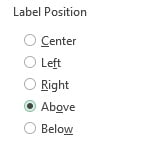
11. Scatter Chart in Excel
Create a scatter chart in Excel step by step: plot two numeric variables, add a linear trendline with equation and R-squared, label points from cells and avoid line-chart mistakes.
Learn more →
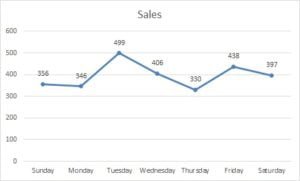
12. Dynamic Chart Range in Excel
Build a dynamic chart range in Excel so charts update automatically: Excel Tables, OFFSET and INDEX named ranges, and a rolling last-12-months chart, step by step.
Learn more →
Want charts that look designed?
After the basics, the next module covers speedometers, battery charts and infographics. For finished chart templates, see the chart packs on NextGenTemplates.
Frequently asked questions
How do I make a chart in Excel quickly?
Select the data including headers and press Alt + F1 for a default chart on the same sheet, or F11 for a chart sheet. Then change the type from the Chart Design tab.
Pie or bar?
Bar, in most cases. People compare lengths more accurately than angles. Use a pie only for a few categories where the share of the whole is the message.
How do I add a secondary axis?
Right-click the series, choose Format Data Series and tick Secondary Axis. The combo chart lesson walks through it.